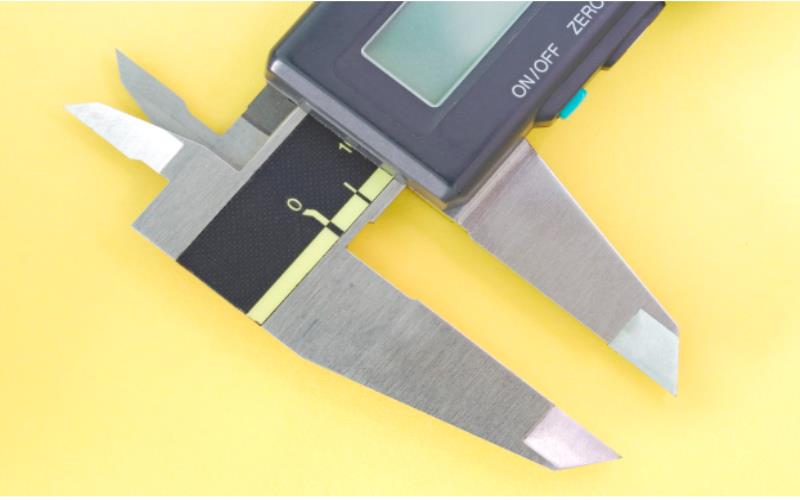
Calipers are essential precision tools widely used across industries, from engineering and manufacturing to jewellery making and carpentry. They allow users to accurately measure an object’s internal, external, and depth. With so many types of calipers on the market, it can be overwhelming to find the right one. Choosing high-quality calipers tailored to your requirements ensures precision and reliability in all projects. This article will guide you through the factors to consider when selecting the ideal caliper for your needs.
Understand the Different Types of Calipers
Calipers come in various types, and each serves a unique purpose. Understanding these types will give you a better idea of what might work best for your project. Digital calipers are popular for their ease of use and precision. They feature digital displays, making it easier to read measurements, especially for detailed tasks. On the other hand, mechanical callipers are traditional and do not rely on batteries. They offer durability and are suitable for users who prefer manual operation.
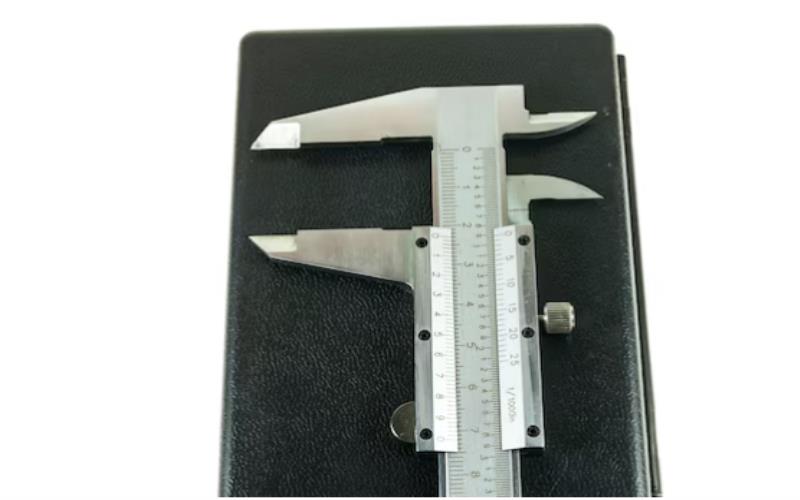
Another commonly used type is the vernier caliper. This type has a sliding scale and is well-regarded for its accuracy, even though it requires careful reading. Depth calipers are used for measuring the depth of holes, crevices, or other specific areas, while internal calipers are designed for measuring the internal diameter of an object. By knowing the type you require, you can focus on the features that align with your industry or personal needs.
Consider Accuracy and Precision
When choosing high-quality calipers, accuracy and precision are two crucial factors to assess. A highly accurate caliper ensures that your measurements are reliable, leading to better results and fewer errors. For most industries, even the smallest inaccuracies can lead to major issues, such as faulty manufacturing or design flaws.
Check the precision of the caliper by looking at its measuring range and how small the graduations are on the tool. Most professionals prefer calipers with fine graduations, as they allow for greater measurement accuracy. Digital calipers tend to offer very fine accuracy, with some models capable of measuring to within 0.01 millimetres. Depending on the nature of your work, decide if precision should be your top priority.
Material and Build Quality Matter
The material and construction of your caliper can directly affect its longevity and performance. Stainless steel is a widely used material for high-quality calipers because of its durability, resistance to corrosion, and ability to withstand regular use. Stainless steel ensures that your tool maintains accuracy for a long time, even in demanding working conditions.
Calipers with poor build quality can lose their calibration quickly or become unreliable. Opt for calipers with solid construction and a reputation for long-lasting performance. Pay attention to how the sliding mechanism operates—smooth movement is essential for accurate measurements. A well-made caliper should feel robust in your hand while being comfortable enough for prolonged use.
Select the Right Features for Your Work
Features can set apart high-quality calipers from their standard counterparts. Look at features that will make your job easier and more efficient. If you prefer the ease of use, digital calipers are an excellent choice. They often come with added features like zero resetting, making it simple to recalibrate when required.
If you’re measuring many internal diameters, ensure the caliper has the necessary jaws to measure these accurately. Some calipers are equipped with depth measurement attachments or additional options that are ideal for specialised tasks. Battery life is also important when considering digital models. Reliable batteries ensure that your caliper remains operational when you need it the most.
Additionally, think about whether you need a waterproof caliper. If you’re working in environments with high humidity, or wet conditions, or you’re handling materials exposed to moisture, a water-resistant model will ensure functionality and longevity.
Determine Your Budget
While investing in high-quality calipers can improve your measurements and efficiency, it is also vital to set a reasonable budget. Calipers come in various price ranges, and while you don’t want to compromise on accuracy, affordability is important. Mechanical vernier calipers tend to be less expensive than their digital counterparts but may lack the ease of use offered by electronic models.
Digital calipers and models with advanced features can be more costly, but their versatility and user-friendly operation can justify the expense. Determine how frequently you’ll use your caliper and what you’re using it for before committing to a price range. A higher upfront investment may save time and effort in the long run, particularly for professionals with frequent or critical measurements.
Read Reviews and Consider Recommendations
Before making any purchase, read user reviews and gather recommendations. Reviews can provide insights into real-world performance, reliability, and potential issues with specific models. They can highlight aspects that might not be immediately obvious when reading technical specifications, such as ease of use, durability under pressure, or maintenance needs.
Ask colleagues, industry peers, or professionals for their input on the best high-quality calipers. Often, word-of-mouth recommendations can lead you to reliable options that have been tested and trusted by others in similar fields.
Check Calibration and Maintenance Options
Calipers require regular maintenance to remain accurate. Look for options that offer simple calibration or have reliable options to ensure consistent performance. Many high-quality calipers come with user-friendly calibration features, allowing you to recalibrate the tool if measurements become inconsistent. Ensure you know how to maintain the caliper properly to extend its lifespan and functionality.
Choose calipers that can be recalibrated easily or come with service options from the manufacturer. Proper care can ensure that your caliper remains in excellent working order for years to come.
Final Thoughts
Selecting high-quality calipers is about finding the perfect balance between accuracy, durability, and usability. With so many options on the market, you can narrow down your choice by understanding your specific needs, considering features, and reviewing trusted brands. A high-quality caliper offers reliability, ease of use, and long-lasting performance, making it a valuable addition to any professional toolkit or workspace.
Whether you’re a professional engineer, a hobbyist, or a tradesperson, investing in the right caliper allows you to perform precise measurements with confidence. Take time to evaluate your options and find a caliper that can support your work with precision and efficiency.