
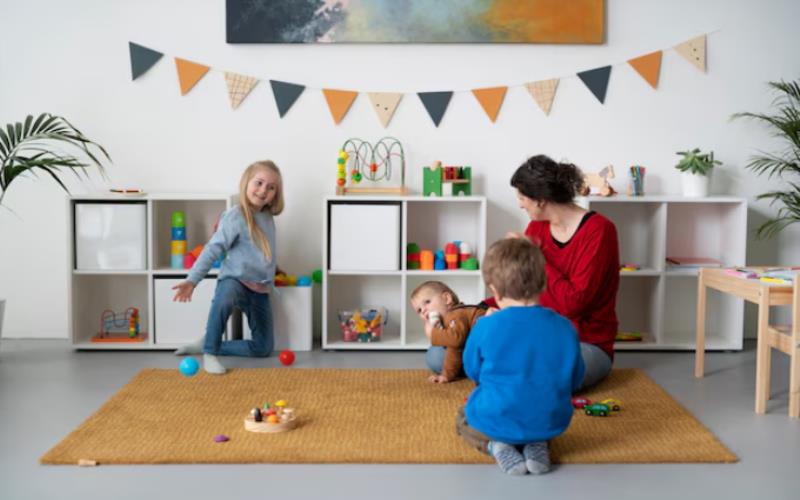
When it comes to choosing infant care, the decisions parents make can significantly influence their baby’s early development and well-being. For those in Bishan, finding the best infant care in Bishan means prioritizing high-quality services that cater to both the child’s developmental needs and parents’ peace of mind. This important choice requires careful consideration of various factors, such as the quality of care, the qualifications of caregivers, and the environment in which your baby will spend time. Whether you’re considering daycare, hiring a nanny, or opting for family care, understanding what to look for and how to evaluate options is key to ensuring your child’s health, safety, and happiness.
Understanding the Different Types of Infant Care
Infant care options vary widely, and the best choice often depends on your family’s specific needs. Daycare centres, nannies, and family care are the most common forms of infant care. Daycare centres offer structured environments with groups of children, often with set hours and a curriculum tailored to early childhood development. Nannies, on the other hand, provide in-home care, offering personalised attention and flexibility. Family care can involve grandparents or other relatives, providing a familiar environment with close personal bonds.
Each type of care has its pros and cons. Daycare centres may offer more socialisation opportunities for your child but can also be more costly and may not provide as much one-on-one care. Nannies offer flexibility and personalised care but may be expensive and can require additional oversight. Family care offers emotional comfort but may lack formalised structure and professional training.
Qualifications and Experience of Caregivers
One of the most crucial factors in choosing infant care is the qualifications and experience of the caregivers. Whether you’re opting for daycare, a nanny, or family care, it is important to ensure that those caring for your child are trained in early childhood development, first aid, and safety protocols.
For daycare centres, check whether the caregivers have early childhood education certifications and relevant experience. The ratio of caregivers to children is another important consideration, as a lower ratio often leads to more attentive care. It’s also important to assess the centre’s reputation and read reviews from other parents to understand their experiences.
When hiring a nanny, ensure they have experience with infants and can provide references from previous families. You may want to look for a nanny with formal training in child development or early education. Additionally, you should assess their ability to handle emergency situations, as well as their approach to discipline and bonding with your child.
In the case of family care, consider the experience and comfort level of your chosen relative with looking after an infant. While family members may offer natural comfort and emotional connection, ensuring they understand child safety protocols is crucial. If the caregiver lacks formal training, you may want to provide resources or seek additional guidance from a child development expert.
Safety and Cleanliness of the Environment
Safety is the top priority when it comes to infant care. The environment in which your baby spends time must be clean, safe, and free from hazards. Whether at a daycare centre, in-home care, or with family members, ensure that the environment meets appropriate health and safety standards.
Daycare centres should have clear safety protocols in place, including regular cleaning procedures, childproofing, and emergency plans. Check if the centre is licensed and complies with local health and safety regulations. The space should be well-maintained, with appropriate equipment and furniture to support your baby’s physical development.
For in-home care, whether a nanny or family member, ensure the home is safe and clean. Look for areas free from hazards such as sharp objects, choking hazards, or toxic chemicals. Baby-proofing measures, such as securing furniture and covering electrical outlets, are essential in providing a safe environment.
Communication and Flexibility
Effective communication between parents and caregivers is essential for ensuring that your baby’s needs are being met. Whether in a daycare centre or with a nanny, you should feel confident that caregivers are listening to your concerns and updating you on your child’s progress.
In daycare centres, look for regular communication methods, such as daily reports, parent-teacher meetings, or digital apps that track your baby’s activities and milestones. It’s important to feel like you’re involved in your child’s care and that the centre is open to addressing any questions or concerns.
For nannies or family care, flexibility is often a key advantage. If you have specific preferences about feeding schedules, naps, or daily activities, discuss them clearly with the caregiver. A good caregiver should be adaptable, patient, and willing to work with you to ensure the best routine for your baby.
Cost and Financial Considerations
Cost is always an important factor to consider when choosing infant care. Daycare centres generally have a set fee structure, often based on the number of days per week or the hours your child will be in care. While some parents prefer the structure of a daycare centre, it can be expensive, especially if you require full-time care.
Hiring a nanny can also be costly, particularly if you want a full-time caregiver. However, nannies can provide personalised care and flexibility, which some parents find valuable. If cost is a concern, you may want to consider part-time or shared nanny arrangements to reduce expenses.
Family care is often the most cost-effective option, though it may not always be available depending on your situation. It’s important to weigh the potential costs of different care arrangements against your budget while considering the quality of care and convenience for your family.
Finding the Right Fit for Your Family
Choosing the best infant care is about finding the right fit for your family’s unique needs and priorities. Consider your baby’s temperament, your work schedule, and the type of care that will make you feel comfortable and secure. Some families prioritise socialisation and structure, while others prefer one-on-one care and a flexible environment.
If you’re unsure about which type of care is best for your baby, take the time to visit daycare centres, meet with potential nannies, or observe family members in action. Trust your instincts and ensure that your chosen caregiver is someone you feel comfortable with and who has the necessary skills to care for your child.
Ultimately, the right choice will depend on a balance of factors, including the quality of care, safety, communication, and cost. By doing your research and evaluating your options carefully, you can ensure your baby is in good hands and receiving the best care possible.

Conclusion
Selecting the right infant care involves thoughtful planning and consideration. The key is to evaluate the quality of care, safety, cost, and qualifications of caregivers, while also ensuring that the environment is conducive to your baby’s development. By researching your options and choosing a caregiver who aligns with your values and your child’s needs, you can rest assured that your baby will receive the attention and care they deserve during their formative years.